 :
: :
:
How to Choose a School That Prepares Your Child for the Future
IGCSE subject choices shape your child’s future: They influence university options, career pathways, and skill development.


Article Summary
A-Levels represent one of the most critical phases in a student’s academic journey. While strong grades remain important, success in today’s world increasingly depends on the ability to apply knowledge in practical, meaningful ways. For students enrolled in leading A-Level schools in Malaysia, this stage is not just about exams—it is about preparing for life beyond the classroom.
Regent International School Malaysia, a reputed Cambridge school in Malaysia, is redefining how A-Levels are delivered. By combining rigorous academics with experiential learning, they ensure that students are not only university-ready but also equipped for long-term career success. With foundations often built on the Cambridge IGCSE syllabus, students enter A-Levels already primed for independent thinking and skill development.
The modern workplace is evolving rapidly. Automation, globalisation and digital transformation have changed the skills required for success. Universities and employers are no longer looking solely for academic achievers—they seek individuals who can think critically, communicate effectively and adapt to change.
Developing career-focused skills during A-Levels helps students:
At top A-Level schools in Malaysia, including Regent International School Malaysia, there is a strong emphasis on integrating career readiness into everyday learning.
Career-focused skills are the abilities that enable students to succeed in professional environments. These skills go beyond subject knowledge and include both technical expertise and interpersonal capabilities.
| Skill Type | Description | Examples |
| Hard Skills | Technical, measurable abilities | Coding, financial analysis |
| Soft Skills | Personal and interpersonal abilities | Communication, teamwork |
| Transferable Skills | Skills applicable across industries | Leadership, problem-solving |
Understanding the distinction helps students create a balanced skill set that supports long-term student development.
| Skill | Real-Life Application | Career Relevance |
| Communication | Presentations, interviews | Essential across all industries |
| Critical Thinking | Case study analysis | Key for strategic roles |
| Digital Literacy | Using digital tools and platforms | Crucial in modern workplaces |
| Leadership | Managing group projects | Important for management careers |
| Adaptability | Handling new challenges | Vital in fast-changing industries |
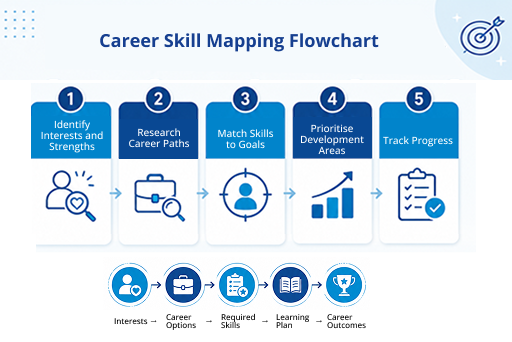
Choosing the right skills can feel overwhelming, especially with so many career options available. A structured approach can make the process clearer and more effective.
Interests → Career Options → Required Skills → Learning Plan → Career Outcomes
At Regent International School Malaysia, personalised guidance helps students navigate this process effectively.
| Activity | Skills Developed | Time Investment |
| Internships | Professional, communication | Medium-High |
| Clubs & Societies | Leadership, teamwork | Medium |
| Online Courses | Technical, research | Flexible |
| Volunteering | Empathy, collaboration | Medium |
At high schools in Malaysia, these opportunities are embedded into the curriculum, ensuring students develop skills alongside academic excellence.
A well-crafted portfolio is a powerful tool for showcasing achievements and skills.
A strong portfolio reflects continuous student development and demonstrates readiness for higher education and employment.
Both types of skills are essential and complementary.
| Aspect | Hard Skills | Soft Skills |
| Nature | Technical | Interpersonal |
| Measurement | Easily measurable | Difficult to quantify |
| Importance | Job-specific | Universally required |
| Longevity | May evolve over time | Always relevant |
While hard skills may help secure opportunities, soft skills often determine long-term success.
A-Levels prepare students in two key ways:
Academic Readiness
Career Readiness
As one of the top A-Level schools in Malaysia, Regent International School Malaysia ensures students are prepared on both fronts.
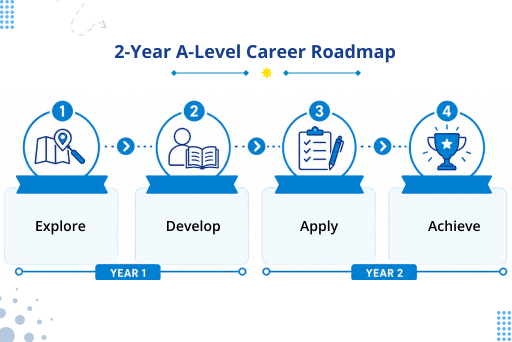
Year 1: Exploration and Foundation
Year 2: Specialisation and Application
Explore → Develop → Apply → Achieve
Leading Cambridge schools in Malaysia, such as Regent International School Malaysia, foster collaboration between parents and educators to maximise student success.
As the world evolves, students must be prepared for emerging challenges and opportunities. Key future skills include:
These skills are essential for building skills for the future in a dynamic global landscape.
Developing career-focused skills during A-Levels is one of the most valuable investments students can make in their future. By combining academic excellence with practical skill-building, students can confidently navigate both university and career pathways.
With the support of institutions like Regent International School Malaysia, one of the leading A-Level schools in Malaysia, students gain access to world-class education and opportunities that foster holistic growth.
The key is to start early, stay consistent and focus on building meaningful, relevant skills that will stand the test of time. Need more details on how we promote? Contact our Admissions team now!
IGCSE subject choices shape your child’s future: They influence university options, career pathways, and skill development.

Table of Contents Article Summary The 62nd Hari Malaysia Scholarship Exam 2026 offers students an excellent opportunity to gain academic recognition and valuable scholarship
Table of Contents Key Article Takeaways As Grade 9 student Aiman wondered whether his passion for Science would lead to engineering or medicine, his