 :
: :
:
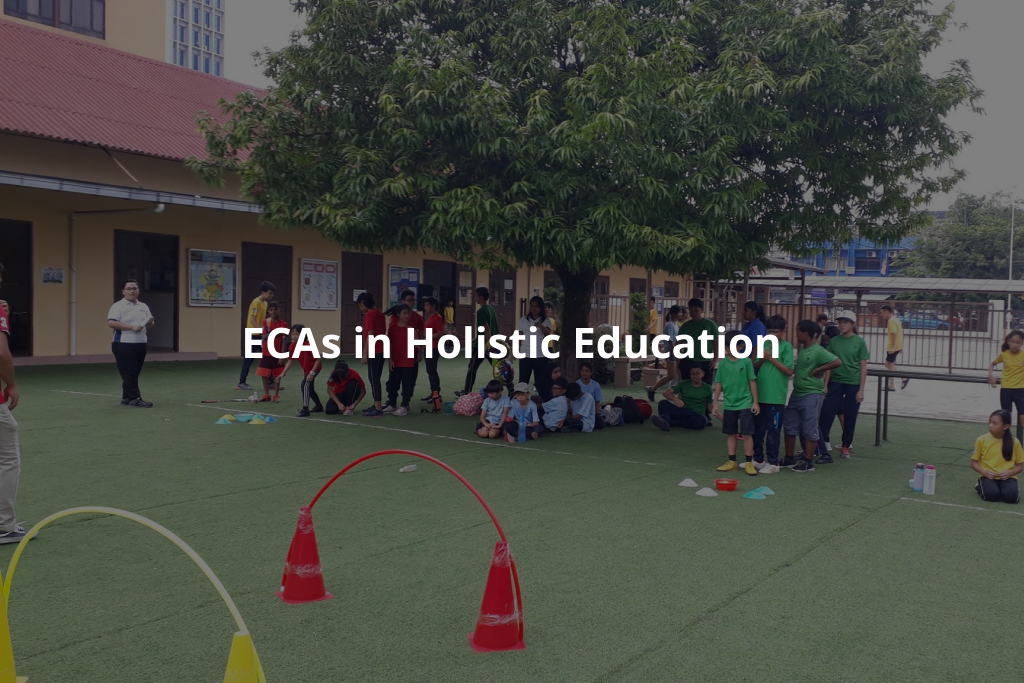
Education today is no longer limited to what happens inside the classroom. To truly support a child’s growth, schools must look beyond academics and adopt a holistic approach to learning. This is where Extracurricular Activities (ECAs) play a vital role. ECAs help students develop confidence, leadership, creativity, teamwork, and resilience—key elements of holistic education.
Across good schools in Malaysia, especially international schools in Kuala Lumpur and primary schools in Kuala Lumpur, ECAs are recognised as essential for nurturing well-rounded individuals. At Regent International School Malaysia, extracurricular activities are carefully designed to complement academic learning and support students’ overall development. This A–Z glossary explains how ECAs contribute to holistic education in a clear and practical way.
A–Z Glossary: ECAs and Holistic Education
A – Arts
Music, drama, and visual arts that nurture creativity and self-expression.
B – Balance
ECAs help balance academic study with physical and creative outlets.
C – Collaboration
Team activities teach cooperation and communication skills.
D – Discipline
Regular practice builds commitment and time management.
E – Engagement
Students feel more connected to school through varied interests.
F – Fitness
Sports and physical activities support health and wellbeing.
G – Global Awareness
Clubs and activities expose students to diverse cultures and ideas.
H – Holistic Education
Educating the whole child—mind, body, and character.
I – Independence
Students learn to make choices and take responsibility.
J – Joy of Learning
ECAs make school enjoyable and motivating.
K – Key Life Skills
Leadership, resilience, adaptability, and confidence.
L – Leadership
Opportunities to lead teams, clubs, or projects.
M – Motivation
Pursuing interests boosts self-belief and enthusiasm.
N – Nurturing Talents
ECAs help uncover and develop individual strengths.
O – Organisation
Balancing ECAs with academics improves planning skills.
P – Participation
Active involvement builds confidence and social skills.
Q – Quality Experiences
Meaningful activities that enrich learning beyond textbooks.
R – Responsibility
Students learn accountability through roles and commitments.
S – Social Skills
Interaction across age groups builds empathy and respect.
T – Teamwork
Working towards shared goals strengthens collaboration.
U – Understanding Strengths
Students discover what they enjoy and excel at.
V – Values Education
ECAs reinforce respect, integrity, and perseverance.
W – Wellbeing
Activities reduce stress and support emotional health.
Y – Youth Development
Supporting growth into confident young individuals.
Z – Zone of Growth
Safe spaces where students challenge themselves.
Why Extracurricular Activities Matter in Holistic Education
Extracurricular activities allow students to apply learning in real-world contexts. Through sports, arts, clubs, and community service, children develop skills that academic lessons alone cannot provide. This is central to a holistically approach to education—where emotional, social, physical, and intellectual development are equally valued.
Parents often ask for examples of extracurricular activities, which may include:
- sports teams and fitness programmes
- music, dance, and drama clubs
- debate, public speaking, and leadership groups
- STEM and coding clubs
- community service and volunteering
These activities help students grow into confident, capable individuals.
ECAs in Primary Education
In primary schools in Kuala Lumpur, ECAs are especially important because they help young learners build confidence, social skills, and healthy habits early. Activities at this stage focus on exploration and enjoyment rather than competition, ensuring children develop a positive attitude towards learning and teamwork.
At Regent International School Malaysia, primary students are encouraged to participate in a range of age-appropriate ECAs that support physical development, creativity, and social interaction.
ECAs at Regent International School Malaysia
As part of its commitment to holistic development, Regent International School Malaysia integrates extracurricular activities into its wider educational philosophy. Students are offered opportunities to explore interests beyond the classroom while maintaining strong academic foundations.
Regent’s ECA programmes are designed to:
- support personal growth and confidence
- encourage teamwork and leadership
- complement classroom learning
- promote wellbeing and balance
This approach aligns with the expectations parents have when choosing among international schools in Kuala Lumpur and other good schools in Malaysia.
Why Parents Should Look Beyond Academics
When evaluating schools, parents should consider how ECAs are structured and supported. A school that values extracurricular learning demonstrates a commitment to educating the whole child—not just preparing students for exams.
Strong ECA programmes often indicate:
- a positive school culture
- student-centred learning
- emphasis on wellbeing and values
Final Words
Extracurricular activities play a powerful role in shaping confident, well-rounded learners. By supporting physical health, creativity, leadership, and social skills, ECAs are a cornerstone of Holistic Education. They help students discover their strengths, build resilience, and enjoy learning beyond the classroom.
At Regent International School Malaysia, extracurricular activities are an integral part of a holistic educational experience—supporting students academically, socially, and emotionally.
If you are exploring primary schools in Kuala Lumpur or researching international schools in Kuala Lumpur that prioritise holistic development, Regent International School Malaysia is worth considering.
Book a campus tour today to learn how Regent’s extracurricular programmes support your child’s all-round growth and future success.