Open Day & Little Explorers Activity at Kuantan Campus | 26 Sept, 9:00 AM
Career Guidance for Students: How to Choose the Right Career Path in 2026
Table of Contents
Article Summary
Career guidance for students is more important than ever in 2026 due to rapid changes in the global job market.
A structured approach to academic and career planning helps students make informed and future-ready decisions.
Regent International School Malaysia provides strong support systems to guide students through their career journey.
Choosing a career path is one of the most important decisions a student will make. In 2026, with evolving industries, emerging technologies and shifting job demands, making the right choice requires careful thought and planning.
Students today need more than just academic success—they need clarity, direction and a well-defined student career roadmap. Regent International School Malaysia, recognised among the best schools in Malaysia and top Cambridge syllabus schools, helps students navigate these decisions through personalised and structured career guidance programmes.
Why Career Guidance Matters More Than Ever in 2026
The world of work is changing at an unprecedented pace. New industries are emerging while traditional roles are evolving or disappearing. This makes career guidance for students essential.
Effective guidance helps students:
Understand their strengths and interests
Explore a wide range of career options
Make informed academic choices
Prepare for future job markets
At Regent International School Malaysia, students benefit from integrated academic and career planning, ensuring they are well-prepared for global opportunities.
What is Career Guidance for Students?
Career guidance is a structured process that helps students understand themselves and the world of work. It includes:
Identifying interests and strengths
Exploring career options
Setting goals and planning pathways
Receiving career counselling for students
This process empowers students to make confident and well-informed decisions about their future. At Regent, we provide personalised career counselling and university guidance tailored to each student’s individual interests, strengths, and aspirations, helping them discover the right academic and career pathways with confidence.
Key Trends Shaping Careers in 2026
Several trends are influencing career choices:
Digital Transformation: Increased demand for tech-related skills
Sustainability Careers: Growth in green jobs and environmental roles
Global Opportunities: Rise of remote and international work
Understanding these trends is crucial when considering how to choose a career path effectively.
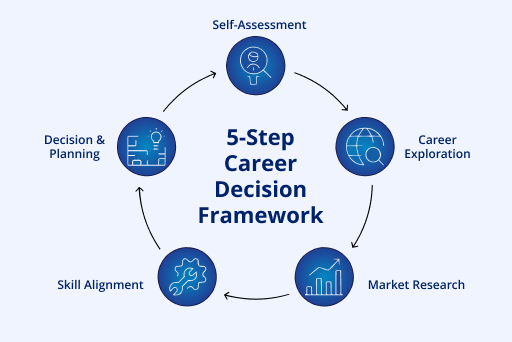
How to Choose the Right Career Path in 2026 (Step-by-Step Guide)
Step 1 – Identify Your Child’s Interests and Strengths
Start by reflecting on what your child enjoys and where their strengths lie. Consider subjects they excel in and activities they are passionate about.
Step 2 – Understand Career Options Available
Career Type
Examples
Future Scope
Skills Needed
Technology
Software Developer
High demand
Coding, problem-solving
Healthcare
Doctor, Nurse
Stable growth
Empathy, scientific knowledge
Business
Marketing Manager
Expanding globally
Communication, strategy
Creative Arts
Designer, Content Creator
Growing digital demand
Creativity, design skills
Step 3 – Research Future Job Demand
Look into industry trends and job market forecasts. Focus on careers with strong growth potential.
Step 4 – Match Skills with Career Requirements
Evaluate whether your child’s current skills align with their desired career. Identify gaps and work on developing those skills.
Step 5 – Seek Career Counselling & Mentorship
Professional guidance plays a vital role. Regent International School Malaysia provides access to experienced counsellors who help students refine their career choices.
Common Mistakes Students Make While Choosing a Career
Following peer or parental pressure without self-reflection
Choosing careers based solely on salary
Ignoring future job trends
Lack of proper research
Not seeking professional career counselling for students
Avoiding these mistakes is key to making informed career decisions.
Career Guidance for Different Student Stages
Stage
Focus Area
Key Actions
After Class 10
Exploration
Identify interests, explore subjects
After Class 12
Decision-Making
Choose courses and universities
College Students
Specialisation & Experience
Internships, skill development
Career Guidance After Class 10
Students should focus on exploring interests and understanding subject choices that align with potential careers.
Career Guidance After Class 12
This is a critical stage where students make decisions about higher education and career direction.
Career Guidance for College Students
Students should gain practical experience, build networks and refine their career goals.
Role of Parents and Schools in Career Guidance
Role of Schools
Schools play a crucial role by:
Providing structured career programmes
Offering personalised counselling
Organising workshops and internships
As a leading Cambridge school in Malaysia, Regent International School Malaysia integrates career guidance into its curriculum, ensuring students are well-prepared.
Role of Parents
Parents support career development by:
Encouraging open discussions
Supporting interests and aspirations
Avoiding undue pressure
A collaborative approach between parents and schools ensures effective academic and career planning.
A–Z Glossary of Career Guidance Terms
A – Aptitude A natural ability or talent in a specific area.
B – Benchmarking Comparing skills or performance against standards.
C – Career Counselling Professional guidance to help students choose careers.
D – Decision-Making The process of selecting the best career option.
E – Employability Skills Skills that make a person suitable for employment.
F – Future Skills Skills needed for emerging careers.
G – Goal Setting Defining clear career objectives.
H – Hard Skills Technical abilities required for specific jobs.
I – Internship Practical work experience in a professional setting.
J – Job Market The availability of jobs in various industries.
K – Knowledge Base Information and expertise in a subject area.
L – Lifelong Learning Continuous learning throughout one’s life.
M – Mentorship Guidance from an experienced professional.
N – Networking Building professional relationships.
O – Occupational Awareness Understanding different career options.
P – Portfolio A collection of work showcasing skills and achievements.
Q – Qualifications Educational credentials required for a career.
R – Resume (CV) A document outlining skills, education and experience.
S – Soft Skills Interpersonal skills like communication and teamwork.
T – Transferable Skills Skills applicable across multiple careers.
U – Upskilling Learning new skills to improve employability.
V – Vocational Training Practical training for specific trades or careers.
W – Work Experience Exposure to real-world job environments.
X – X-Factor Skills Unique abilities that set a candidate apart.
Y – Youth Career Development Early-stage career planning for young individuals.
Z – Zero Experience Entry Roles Jobs that require minimal prior experience.
Final Words: Build a Future-Ready Career Path
Choosing the right career path in 2026 requires awareness, planning and guidance. With the right approach to career guidance for students, individuals can confidently navigate their future.
Regent International School Malaysia, recognised as one of the best schools in Malaysia and among the best A-Level Schools in Malaysia, provides the tools, support and environment needed to help students succeed.
Take charge of your child’s future today-explore our career guidance programmes and help your child build a personalised student career roadmap for long-term success. Contact us to learn more!
FAQs
Yes, career counselling helps students understand their strengths, explore options and make informed decisions about their future.
Critical thinking, communication, digital literacy and adaptability are essential for future success.
Yes, internships provide practical experience and help students understand real-world work environments.
Use online resources, attend career workshops, speak to professionals and seek guidance from school counsellors.
Article Summary For parents considering an international education, phrases like ‘Cambridge Lower Secondary‘, ‘Upper Secondary’, ‘Checkpoint’ and ‘IGCSE’ may at first appear complicated, but
Article Summary The scholarship award can help make an international education more affordable, but that is just the first step. Most scholarships are conditional;
Article Summary Malaysia has developed into a diverse education destination, with families able to choose from national, private and international curricula. Among these options,
 :
: :
: