:
: :
:
Save up to 75% on tuition fee with our Free Scholarship Exam on 24th August. Register Now.
This Article is a 5-minute read and contains:
Children are growing up in an environment which is increasingly digital, fast-paced, and academically demanding. While technology and global education standards have opened many doors, they have also reduced opportunities for natural movement and physical activity. This is why quality Physical Education has become more important than ever in schools, particularly within international education settings.
Physical Education is no longer simply about sports or exercise. It plays a vital role in shaping a child’s physical health, mental wellbeing, academic performance, and personal development. In fact, it is supported by UNESCO as a core component of the new sports programme Fit For Life.
For parents looking for best private high schools, understanding how schools approach the physical education subject is crucial.
UNESCO website defines quality physical education as a peer-led learning and well-rounded skill development which can enhance education and employability outcomes. Such kind comes with a distinct activity which relates to frequency, variety, inclusivity and value content.
In modern day schools, Physical Education is a structured, curriculum-based subject designed to support lifelong wellbeing of students. International schools treat Physical Education as a subject which develops physical literacy – which includes understanding how the body moves, how to stay active safely, and how physical activity supports overall health.
The physical education subject helps students develop coordination, strength, endurance, and flexibility while also encouraging confidence and self-awareness. In Malaysia, schools often blend global best practices with sensitivity to climate, culture, and student diversity. This ensures that students of all abilities feel supported and motivated to participate.
The United States Centres for Disease Control and Prevention recommends a minimum of 60 minutes of physical activity for children and adolescents during the day. This, they say, not just keeps students physically active, but also increases their focus in classrooms and eventually helps increase grades and test scores.
With urban life, especially in places like Kuala Lumpur and Klang, demanding long commutes, traffic jams and increased screen time per day, physical activity through physical education takes an important responsibility to provide students with consistent, supervised opportunities to stay active during the school day.
In Malaysia’s warm climate, schools with well-planned Physical Education programmes also teach students how to exercise safely and responsibly. This helps children develop healthy habits that extend beyond school and into their everyday lives. For parents looking at good schools in Kuala Lumpur, a strong Physical Education programme is often a sign of a school that prioritises balance and wellbeing.
One of the most important benefits of Physical Education is its positive impact on academic learning and mental wellbeing.
Children have higher efficient energy which supports brain development and physical exploration, but which is often expended in futile activities. When channeled well, active play can help them learn and regulate emotions, burn calories, and fuel growth.
In international and British-curriculum environments, where academic expectations are high, physical education classes help students manage all this, besides mental fatigue and stress.
Research shows that regular physical activity improves concentration, memory, and cognitive function. When students move their bodies, blood flow to the brain increases, helping them stay alert and focused in class. Studies have found that children who participate in physical education have better attention spans and improved cognitive functioning. Physical activities also release endorphins that help reduce stress and improve one’s mood – factors essential for maintaining focus and motivation in the classroom.
Physical activity also provides a natural and effective way to support mental and emotional health. Sports teaches skills like discipline, time management and goal-setting which help children develop a sense of responsibility. As they manage time between school, practise and homework, they become more organised and focussed. Additionally physical education provides a healthy outlet for excess energy, stress relief and promotes better sleep and helps students manage anxiety more effectively.
In multicultural environments such as high schools in Kuala Lumpur, Physical Education offers a shared experience that helps students connect, relax, and feel included regardless of background or language.
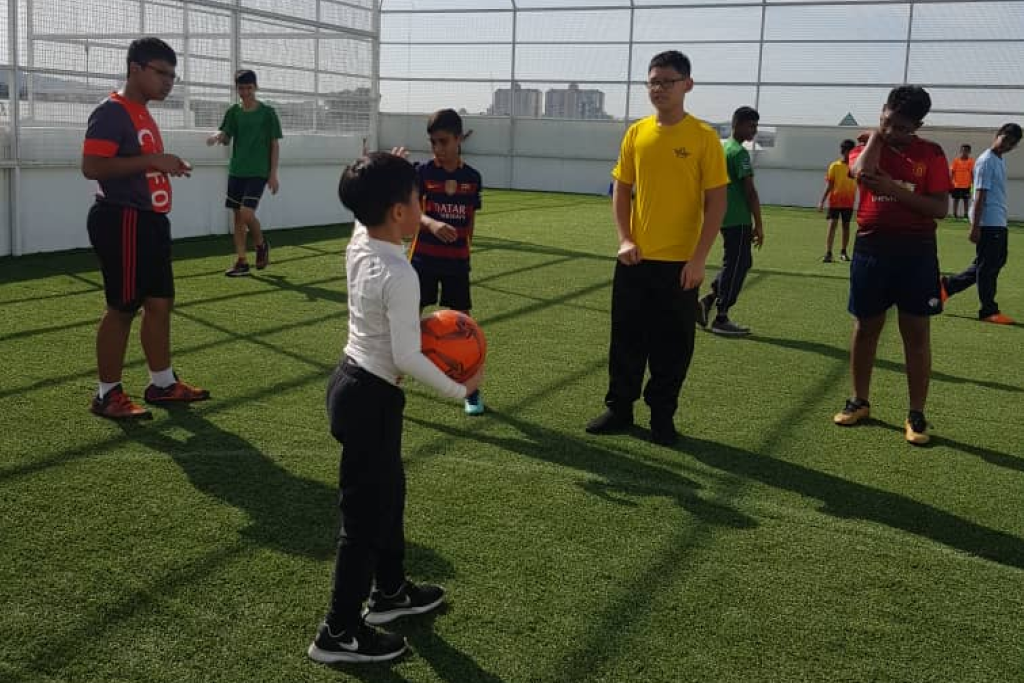
One of the most powerful aspects of Physical Education is its role in developing social skills and character. Through group activities and team sports, students learn how to cooperate, communicate, and work towards shared goals. These experiences help children understand leadership, responsibility, and mutual respect.
The physical education subject also reinforces values such as fairness, discipline, and sportsmanship. Students learn to follow rules, respect others, and handle competition positively. For families considering good schools in Kuala Lumpur, these character-building elements are just as important as academic outcomes.
A well-designed physical education subject focuses on progress rather than perfection. Students are encouraged to improve at their own pace, set personal goals, and recognise their achievements. This approach helps build confidence, especially for students who may not excel in traditional academic subjects.
Physical Education teaches resilience by allowing students to experience both success and setbacks in a supportive environment. Learning how to persevere, adapt, and keep trying are life skills that extend far beyond the sports hall. These qualities are highly valued by parents evaluating best private high schools that focus on holistic development.
In international schools like Regent International School Malaysia, Physical Education aligns with global curriculum standards. Lessons are age-appropriate, inclusive, and designed to support long-term wellbeing rather than short-term performance.
Students are exposed to a variety of physical activities, allowing them to discover interests and strengths while developing overall fitness. Assessment in Physical Education often focuses on participation, effort, and improvement, ensuring that every student feels valued and supported.
The benefits of Physical Education extend far beyond the school years. By developing healthy habits early, students are more likely to remain active and health-conscious as adults. This is particularly important in urban environments like Kuala Lumpur, where maintaining balance requires intentional lifestyle choices.
The skills learned through physical education classes, such as teamwork, time management, and resilience, are highly transferable to university and future careers. Employers and universities increasingly value well-rounded individuals who demonstrate discipline, collaboration, and adaptability.
When choosing among high schools in Kuala Lumpur, parents should look closely at how Physical Education is delivered. A strong programme is structured, inclusive, and led by qualified educators who understand child development and wellbeing.
Schools that prioritise Physical Education demonstrate a commitment to nurturing confident, healthy learners. At Regent International School Malaysia, Physical Education is an integral part of the school’s philosophy, supporting students academically, socially, and emotionally.
In an increasingly competitive and fast-moving world, Physical Education remains essential to a child’s growth and success. The physical education subject supports physical health, strengthens mental wellbeing, enhances academic performance, and builds character.
For parents exploring best private high schools, good schools in Kuala Lumpur, or high schools in Kuala Lumpur, a strong Physical Education programme is a clear indicator of a school that values holistic education. At Regent International School Malaysia, Physical Education is not just about staying active—it is about preparing students to lead healthy, balanced, and successful lives.
Physical Education supports physical health, mental wellbeing, academic focus, and social development. It helps students build lifelong healthy habits while improving confidence, teamwork, and resilience.
In most international and British-curriculum schools, including Regent International School Malaysia, Physical Education is a compulsory and structured subject designed to support holistic development.
Regular physical activity improves concentration, memory, and classroom behaviour. Students who participate in physical education classes often perform better academically and manage stress more effectively.
Parents should look for inclusive programmes, qualified instructors, a variety of activities, and a focus on wellbeing—not just competitive sports—especially when evaluating good schools in Kuala Lumpur.
Yes. The physical education subject focuses on personal progress, fitness, and confidence. It benefits all students, not only athletes.