 :
: :
:
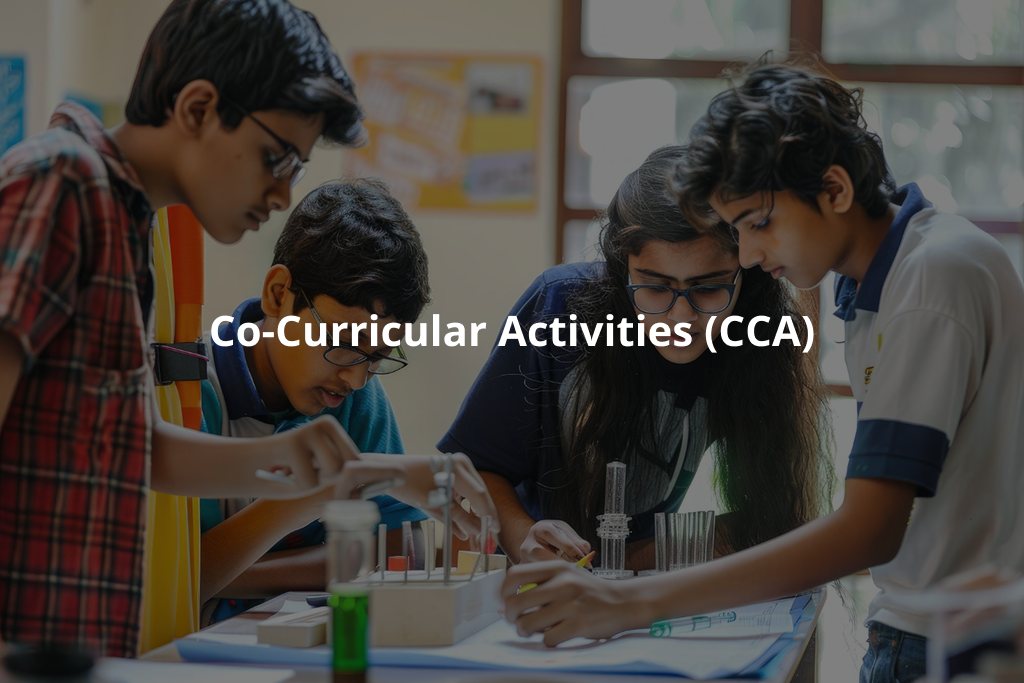
Co-Curricular Activities (CCA) play an essential role in shaping a student’s holistic development, complementing academic learning with vital life skills and character-building experiences. At Regent International School Malaysia, CCAs are thoughtfully curated to nurture leadership, creativity, teamwork, resilience and personal interests—supporting students as they grow into confident, well-rounded individuals. Understanding the terminology behind CCAs can help parents and learners better appreciate the benefits of co-curricular activities and the wide types of co-curricular activities offered in modern schools. This A–Z glossary serves as a comprehensive guide.
A – Arts Integration
Art-focused programmes such as painting, music,dance, and theatre encourage creativity, self-expression, and confidence.
B – Brain Development Activities
CCA programs such as robotics, coding, chess, and STEM clubs enhance cognitive flexibility, problem-solving, and critical reasoning.
C – Community Service
Activities where students contribute to society through volunteering, charity events, and social initiatives, fostering empathy and citizenship.
D – Discipline-Oriented Training
CCAs such as martial arts, debate, and student leadership programmes strengthen personal discipline, dedication, and strategic thinking.
E – Enrichment Clubs
Clubs designed to expand students’ interests beyond the classroom—examples include language clubs, eco clubs, and literature circles.
F – Fitness & Sports
Football, swimming, badminton, netball, and athletics build teamwork, stamina, and healthy lifestyles.
G – Group Collaboration
Working with peers in CCAs teaches cooperation, active listening, and shared responsibility—skills essential for real-world success.
H – Holistic Development
The central purpose of CCAs: nurturing emotional, social, physical, and cognitive growth in students.
I – Interest-Based Learning
Many CCAs allow students to choose activities that align with their passions, promoting intrinsic motivation and personal fulfilment.
J – Junior Leadership Opportunities
Roles such as prefects, club leaders, and team captains help students cultivate leadership, initiative, and organisational abilities.
K – Knowledge Extension
CCAs expand learning beyond core subjects by introducing new disciplines such as robotics, entrepreneurship, and creative writing.
L – Life Skills
Through CCAs, students develop communication, time management, teamwork, independence, and adaptability—skills that last a lifetime.
M – Mentorship Support
Teachers, coaches, and external instructors guide students, ensuring safe environments for growth, learning, and reflection.
N – Non-Academic Excellence
CCAs recognise and celebrate talents that are not assessed academically, such as artistic ability, athletic performance, and leadership.
O – Outdoor Education
Experiences like camping, hiking, and adventure sports build resilience, environmental awareness, and physical fitness.
P – Performance Opportunities
Many CCAs offer platforms for students to showcase their abilities in competitions, exhibitions, recitals, and inter-school tournaments.
Q – Qualitative Growth
Beyond grades, CCAs support personal growth—confidence, motivation, emotional balance, and social maturity.
R – Responsibility Building
Students learn accountability by committing to club roles, attending practices, and contributing to team success.
S – Social Interaction
CCAs bring students together across age groups and interests, strengthening friendships and communication skills.
T – Team Spirit
Team-based CCAs such as sports, debate, and performing arts instil unity, perseverance, and mutual support.
U – Unique Skill Exploration
Activities like photography, robotics and culinary clubs allow students to discover talents they may not encounter in regular lessons.
V – Values Education
CCAs reinforce values such as respect, cooperation, integrity, perseverance and responsibility.
W – Wellbeing Activities
Mindfulness sessions, yoga and nature-based CCAs support emotional health, relaxation and balance.
X – eXperiential Learning
Hands-on activities—projects, competitions, practical workshops—help students apply knowledge in real-world contexts.
Y – Youth Empowerment
Through CCAs, students gain confidence to lead initiatives, voice ideas and shape positive change in their communities.
Z – Zeal & Passion Development
The ultimate aim of CCAs: to ignite enthusiasm, helping students pursue interests with excitement and purpose.
Summing Up
Co-Curricular Activities are more than just after-school programmes—they are powerful tools that shape responsible, confident and capable young individuals. At Regent International School Malaysia, students enjoy a diverse CCA ecosystem designed to highlight the full range of types of co-curricular activities available, from sports and arts to leadership, STEM and community engagement. These programmes continue to demonstrate the remarkable benefits of co-curricular activities, supporting academic achievements while enriching personal growth.
If you want your child to thrive in an environment that values holistic education and meaningful engagement, contact Regent International School Malaysia today to learn more about their CCA offerings, admission pathways and student development programmes.