How to Introduce Career Concepts Through Play-Based Learning in EYFS
Table of Contents
Key Takeaways
Play-based learning in the Early Years Foundation Stage builds early career awareness naturally through exploration and imagination.
Integrating career themes into the early childhood curriculum supports social, emotional and cognitive development.
Schools and parents working together can create meaningful early career guidance for students from a young age.
What Is Play-Based Learning in EYFS and Why Does It Matter for Career Awareness?
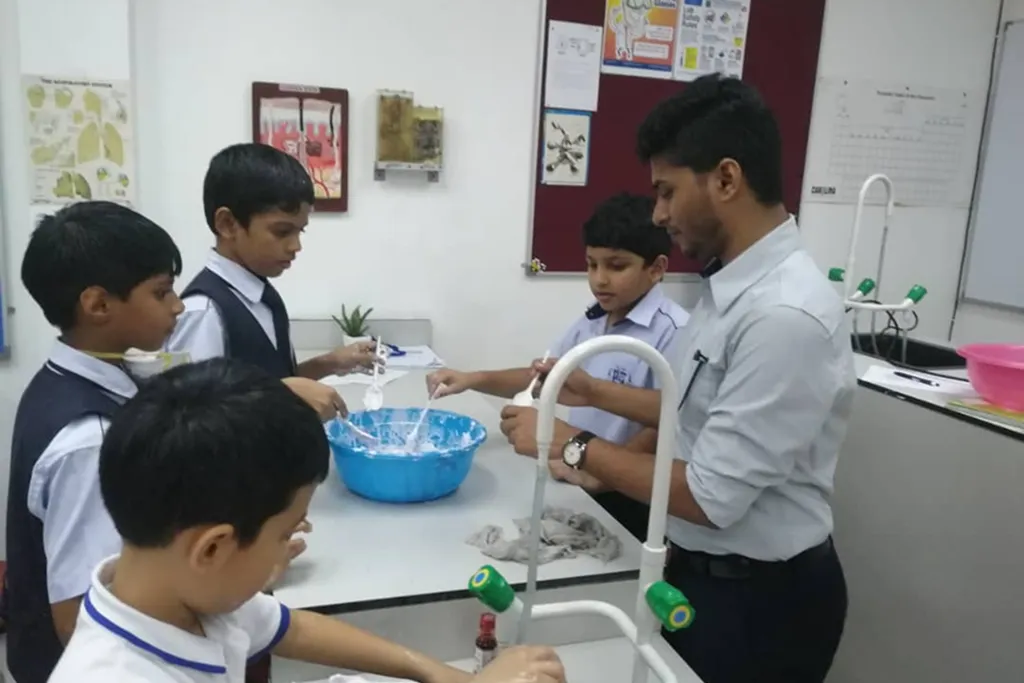
Play-based learning is a core approach within the Early Years Foundation Stage (EYFS), where children learn through hands-on, meaningful experiences rather than formal instruction. In early childhood education, this method encourages curiosity, creativity and independence—qualities essential for long-term success.
Introducing career awareness during early years education doesn’t mean pushing children towards specific professions. Instead, it’s about helping them understand the world of work in a fun, engaging way. Programmes aligned with frameworks such as the Early Years Foundation Curriculum and Cambridge early years curriculum emphasise holistic development, making play the perfect medium to introduce career concepts organically.
Leading institutions such as Regent International School Malaysia, a well-known international school in Malaysia, integrate play-based learning into their early childhood curriculum to nurture curiosity about real-world roles from an early age.
Benefits of Introducing Career Concepts Through Play in EYFS
Builds Foundational Life Skills
Children develop communication, problem-solving, teamwork and decision-making skills—essential for future career readiness.
Encourages Curiosity and Exploration
Through imaginative play, children explore different roles, sparking interest in various professions.
Supports Emotional and Social Development
Role-play helps children understand empathy, collaboration and social dynamics, aligning with goals of the early years curriculum.
Play-Based Learning vs Traditional Learning
Learning Method
Skills Developed
Engagement Level
Long-Term Impact
Play-Based Learning
Creativity, collaboration, problem-solving
High
Strong adaptability and lifelong learning
Traditional Learning
Memorisation, structured thinking
Moderate
Limited flexibility and creativity
How to Introduce Career Concepts Through Play-Based Learning (Step-by-Step Guide)
Step 1 – Use Role-Playing Activities
Set up pretend-play scenarios such as hospitals, grocery shops or classrooms. Children can act as doctors, teachers or shopkeepers, gaining insight into everyday professions.
Step 2 – Create Real-Life Simulations
Design classroom environments that mimic real-world settings. For example, a mini “construction site” can teach teamwork and planning.
Step 3 – Storytelling with Career Themes
Use books and storytelling sessions featuring different professions. This builds vocabulary and connects children to real-world roles.
Step 4 – Invite Real-World Exposure
Bring in guest speakers or organise virtual interactions with professionals. Regent often incorporates such exposure to enhance early career guidance for students.
Step 5 – Encourage Open Conversations
Ask children about their interests and ideas. Simple questions like “What do you want to build today?” encourage reflection and imagination.
Best Play-Based Activities to Teach Career Awareness in EYFS
Dramatic Play Zones
Create themed corners such as a doctor’s surgery, kitchen or office space to encourage role-play.
Creative Arts and Crafts
Let children draw or build tools related to different professions, fostering creativity and understanding.
Outdoor Exploration Activities
Activities such as gardening or simple construction tasks introduce roles like farmers, engineers and environmentalists.
Sensory Play with Career Themes
Use materials such as sand, water or clay to simulate real-world tasks such as digging, cooking or building.
These activities align with the early years foundation stage principles and are widely used in leading international schools in Malaysia.
What Skills Do Children Develop Through Career-Based Play?
Communication and language skills
Critical thinking and problem-solving
Collaboration and teamwork
Creativity and innovation
Emotional intelligence and empathy
These competencies form the backbone of both the early childhood curriculum and future career readiness.
Common Mistakes to Avoid When Teaching Career Concepts in EYFS
Dos and Don’ts of Career Learning in EYFS
Dos
Don’ts
Encourage open-ended play
Force children into specific roles
Focus on skill development
Emphasise job titles over experiences
Use age-appropriate language
Introduce complex career concepts too early
Foster curiosity and imagination
Limit creativity with rigid structures
How Schools and Parents Can Work Together
Role of Educators
Teachers should design engaging, play-based environments aligned with the early years foundation curriculum and incorporate career themes naturally.
Role of Parents
Parents can reinforce learning at home through storytelling, role-play and conversations about daily activities.
Collaboration Strategies
Regular communication between teachers and parents
Final Thoughts: Building Future-Ready Skills Through Play
Introducing career concepts through play-based learning in EYFS is not about defining a child’s future—it’s about opening doors to possibilities. By embedding career awareness into the early childhood education journey, children develop essential life skills that prepare them for an ever-changing world.
With approaches rooted in the Cambridge early years curriculum and supported by innovative schools such as Regent International School Malaysia, children gain the confidence to explore, imagine and grow.
Play-based learning supports holistic development by enhancing creativity, social skills and problem-solving abilities in young children.
Career guidance at this stage focuses on introducing children to different roles through play, storytelling and exploration rather than formal instruction.
Frameworks such as the early years foundation curriculum and Cambridge early years curriculum emphasise play-based learning as a core teaching strategy.
If you’re asking ‘what is Cambridge A Level’, it is an advanced international qualification developed by Cambridge Assessment International Education. Typically taken by students aged 16–19, it is a key part of Cambridge A Level programmes offered in leading Cambridge syllabus schools worldwide.
Article Summary Choosing between the Cambridge Curriculum vs British Curriculum can feel overwhelming for parents, especially when exploring options in international schools in Malaysia
Malaysia offers affordable, high-quality education with access to multiple international student scholarships in globally recognised curricula such as Cambridge.
 :
: :
: