 :
: :
:
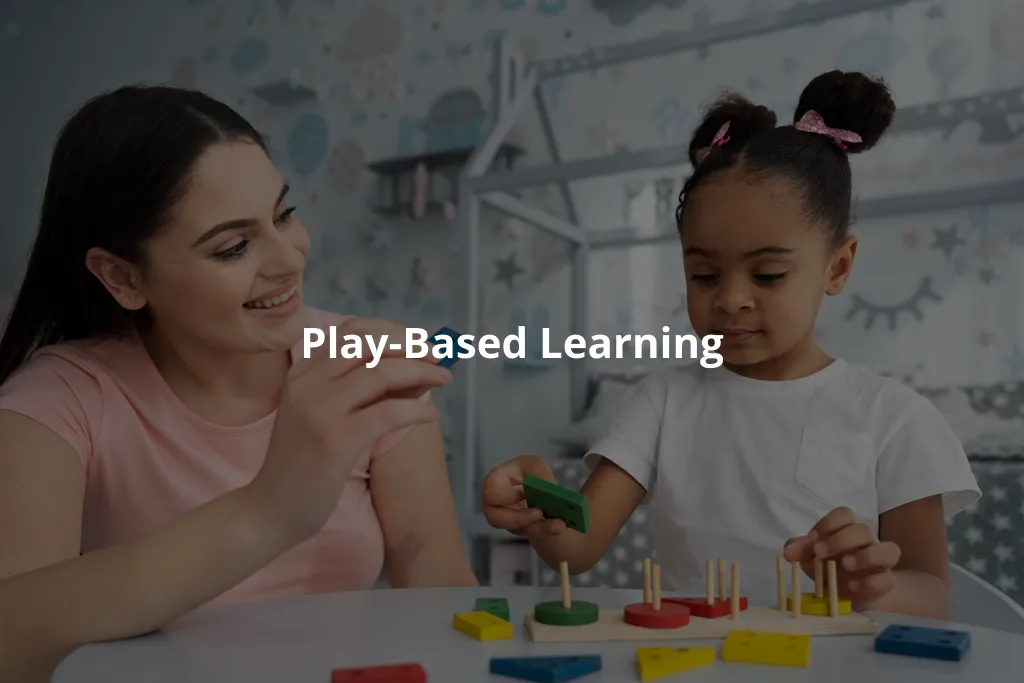
In the early years, children learn best when they feel curious, safe, and engaged. That’s why Play-based learning has become one of the most trusted approaches in Early childhood education worldwide. Rather than focusing on worksheets and rigid instruction, play-based learning uses meaningful play experiences to build foundational skills in communication, thinking, social interaction and emotional wellbeing. For parents exploring preschools in Malaysia—especially options like an international preschool Kuala Lumpur or a private preschool in Malaysia—understanding this approach can help you choose the right setting for your child.
At Regent International School Malaysia, we incorporate play-based approaches in our early years programmes to support confident learners and strong school readiness.
What Is Play-Based Learning?
Play-based learning is an educational approach where children learn through play experiences that are purposeful and guided by trained educators. It is not “free play all day”, but a balance of child-led exploration and adult-supported learning.
Through play, children develop:
- language and communication
- motor skills
- early numeracy and literacy
- creativity and imagination
- independence and problem-solving
- teamwork and emotional regulation
In Preschool education, play becomes the tool through which children understand the world and develop skills naturally.
Why Play-Based Learning Matters in Early Education
Play is the natural way young children explore and make sense of life. In early learning, play-based approaches support:
- Brain development and thinking skills
Play strengthens memory, reasoning, and attention—key foundations for later academic learning.
- Social and emotional growth
Children practise turn-taking, empathy, patience, and cooperation, which support school readiness.
- Language development in early childhood
Play creates real reasons to talk, listen, ask questions, negotiate and express emotions. For example, role-play games can dramatically improve vocabulary, confidence and sentence-building.
This is why many leading International Schools in Malaysia prioritise play-based learning in the early years—not as “soft learning”, but as the strongest foundation for long-term success.
Types of Play in Play-Based Learning
Play-based learning includes different forms of play, each supporting different skills:
Imaginative Play
Children act out real-life scenarios (shops, kitchens, hospitals), building vocabulary and communication.
Constructive Play
Building with blocks, Lego, clay, or craft materials supports planning, coordination, and problem-solving.
Physical Play
Running, balancing, climbing and movement games build strength, coordination and confidence.
Social Play
Group games help children develop friendships, cooperation, leadership, and emotional regulation.
Sensory Play
Sand, water, textured materials, and messy play support exploration, calming, and fine motor development.
At Regent International School Malaysia, these types of play are integrated into classroom routines so children learn in a joyful, structured and supportive environment.
Benefits of Play-Based Learning
The benefits of play-based learning extend across the whole child:
- Stronger communication skills: improving language development in early childhood through interaction
- Better concentration and curiosity: children stay engaged longer when learning feels meaningful
- Improved social skills: cooperation, confidence and independence
- Creativity and innovation: thinking beyond “right answers”
- Early academic readiness: children naturally develop early literacy and numeracy skills through play
- Greater emotional wellbeing: play reduces stress and builds resilience
This is why play-based learning is widely regarded as a hallmark of the best preschool in Malaysia, particularly within international early years settings.
Why Modern Schools Prefer Play-Based Approaches
Modern schools choose play-based learning because it aligns with research on how young children learn. In many cases, play-based environments produce stronger long-term academic readiness than early pressure-based methods. Schools also prefer it because:
- It supports individual learning styles
- It promotes active learning rather than passive memorisation
- It builds confidence and independence early
- It strengthens communication and collaboration—skills needed in the future
For parents exploring preschools in Malaysia or seeking an international preschool in Kuala Lumpur, play-based learning is often a key indicator of high-quality early childhood education.
Regent International School Malaysia supports this philosophy by creating nurturing classrooms where children build foundational skills through guided play, strong routines and teacher support—ideal for families looking for a trusted private preschool in Malaysia.
Glossary: Play-Based Learning
A – Active Learning: Learning by doing
B – Brain Development: Growth in thinking and memory
C – Communication: Speaking and listening skills
D – Discovery: Learning through exploration
E – Early Childhood Education: Learning from ages 2–6
F – Fine Motor Skills: Small muscle movements for writing
G – Gross Motor Skills: Large movements like running
H – Holistic Development: Whole-child growth
I – Imaginative Play: Role-play and storytelling
J – Joyful Learning: Engagement through fun
K – Key Person: A supportive adult guiding learning
L – Language Development: Vocabulary and expression growth
M – Movement Play: Physical learning and coordination
N – Nurturing Environment: Safe and supportive setting
O – Observation: Teacher monitoring of progress
P – Play-Based Learning: Learning through purposeful play
Q – Questioning: Curiosity-based learning prompts
R – Readiness: Preparation for primary school
S – Social Skills: Sharing and cooperation
T – Teamwork: Group learning and collaboration
U – Understanding: Deep learning through experience
V – Vocabulary: Building word knowledge
W – Wellbeing: Emotional safety and confidence
X – eXperimentation: Trying and learning from mistakes
Y – Young Learners: Preschool-aged children
Z – Zone of Development: Skills built with support
Final Words
Play-based learning is more than “just play”—it is a powerful approach that supports early learning, confidence, communication, and language development in early childhood. In quality preschool education, play helps children develop the academic and emotional foundations needed for long-term success.
If you are exploring International Schools in Malaysia or looking for a nurturing international preschool Kuala Lumpur, Regent International School Malaysia offers a supportive early years environment where children learn through purposeful play, strong routines and personalised care.
Book a school tour or contact Regent’s Admissions counsellors today to learn how their play-based early years programme can support your child’s happiest start to learning.