 :
: :
:
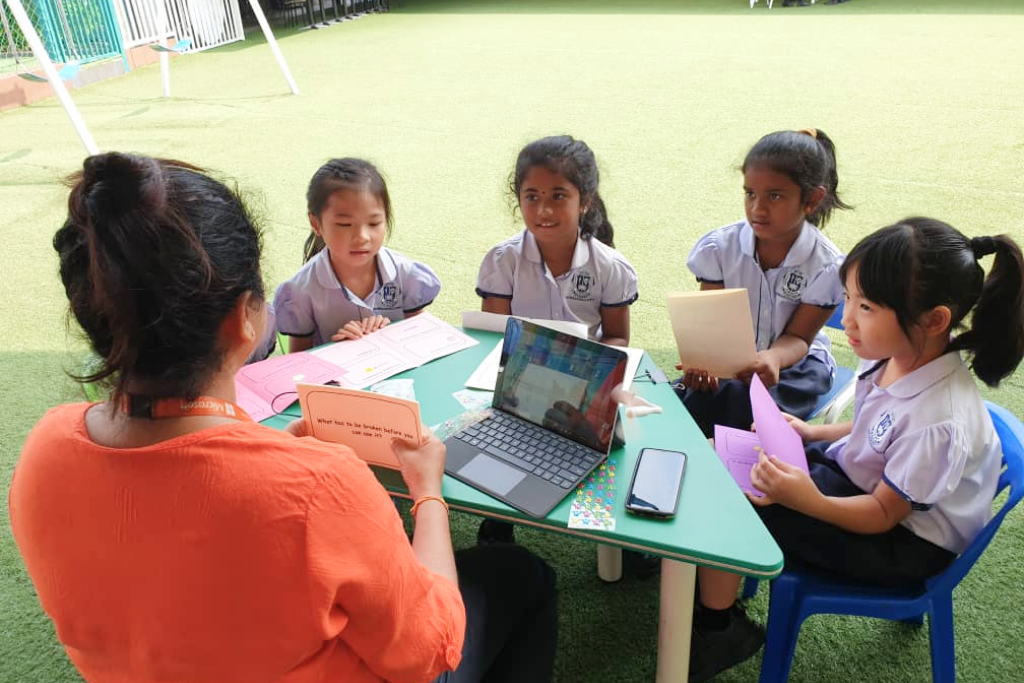
Why Is Structure Important for Young Children in Early Childhood Education?
Structure is fundamental for early childhood education as it offers stability and an organised framework to foster learning, mental well-being and interpersonal abilities. Discipline is meticulously entwined into daily routines, curriculum, and extracurricular endeavours at Regent School, creating a dynamic atmosphere for learners. This article analyses the immense impact of structure in early life and how Regent School’s approach aids holistic growth.

How Structured Learning Supports Early Childhood Development
Structure is vital for children’s early development and learning as it promotes consistency and guidance. It presents numerous advantages outlined below, laying a sound groundwork for long-term success.
How Does Structure Improve Cognitive Development in Young Children?
Structured routines allow kids to focus and acquire crucial intellectual skills. A consistent routine can help children embark on learning activities with assurance and certainty. Exercises like guided reading and problem-solving activities at the best schools in Malaysia foster analytical skills and concentration, building the groundwork for academic growth and future learning success.
Why Does Structure Build Emotional Stability in Early Years?
Familiar routines boost emotional security, lower anxiety, and enable kids to navigate transitions. Structured surroundings help children predict what will happen next, offering safety and predictability. Regent School’s daily routines build a supportive environment where students can voice their feelings and develop tolerance.
How Structured Classrooms Improve Social Skills and Peer Interaction
Structured group activities help children acquire crucial interpersonal abilities like sharing, interaction, and active listening. Guided peer interactions teach kids to manage friendships and appreciate other perspectives. Regent School emphasises teamwork and empathy, enabling children to nurture social awareness and develop genuine connections in a welcoming and organised environment.
How Routine Encourages Independence and Self-Regulation
A regulated setting encourages little ones to understand the importance of early childhood educators and take accountability for tasks to foster autonomy. Understanding expectations teaches them to manage time, organise things and solve challenges. Regent School promotes independence by assigning age-appropriate duties, which build confidence, self-sufficiency and the ability to tackle setbacks with minimal assistance.
How Structure Shapes Positive Behaviour and Discipline
A well-established and predictable structure is critical in instilling positive behaviour in young children. When rules and boundaries are specified, children learn self-control. Structured routines eliminate uncertainty, allowing kids to grasp consequences and make positive decisions. It teaches respect and responsibility, laying the groundwork for lasting behavioural success.
The Link Between Structured Environments and Long-Term Behavioural Success
The relationship between structure and behavioural success is highly notable, especially among young children. A structured childhood care environment states clear expectations, routines, and constraints, allowing them to understand expectations and what ramifications to anticipate. This familiarity decreases worry and confusion, allowing kids to work on cultivating appropriate behavioural patterns.
Consistent structure fosters self-regulation by teaching your little ones how to regulate emotions and behaviours as they respond to a clearly defined framework. It inspires them to engage in positive actions and develop a sense of discipline and accountability, resulting in superior social skills and long-term behavioural success.
How Regent School Creates a Structured Learning Environment in Kuala Lumpur
Structure is a vital aspect of the learning journey at Regent School, fostering a thriving atmosphere for children. The following characteristics promote attention and discipline, ensuring learners reach their highest intellectual, social, and emotional potential.
Consistent Daily Schedules That Build Security and Focus
After kindergarten admission in Kuala Lumpur, students at Regent School benefit from predictable daily schedules. Fixed routines, like morning circles and organised transitions, can help children feel protected and focused. These schedules reduce interruptions, encourage time management, and foster an environment where children feel comfortable participating in classroom and extracurricular activities, enabling holistic growth.
Personalised Academic Framework Within a Structured System
Customised academic plans at Regent School address each child’s learning demands and speed. Lessons are meticulously planned with specific goals, offering a tailored approach under a unified framework. Teachers give students customised assistance in grasping concepts, boosting confidence and academic progress while upholding rigorous standards based on individual skills and interests.
Clear Rules, Boundaries and Behavioural Guidance
Regent School’s precise guidelines and practices foster a nurturing and disciplined educational setting. Well-defined standards for childhood playing behaviour and academic duties guide students, encouraging accountability and self-regulation. Consistent reinforcement of these principles helps children realise their boundaries and gain confidence, allowing them to thrive in a controlled environment by fostering accountability and meaningful choices.
Structured Extracurricular Activities for Holistic Development
Structured extracurricular programs at Regent School help students build creativity, discipline, and collaboration. Sports, arts, and music programs have well-organised schedules and set goals, allowing learners to advance their talents and explore their interests. This organised method supports optimal growth by encouraging time management, teamwork, and resilience while presenting opportunities for continuous growth.

Final Thoughts: Building a Strong Foundation Through Structure
Structure is a successful approach in early childhood education, with multiple benefits for broad skill acquisition. It is a crucial part of the Regent School experience, delivering students a solid foundation for growth. Kindergarten Klang prepares its pupils for future success by encouraging cognitive development, mental stability, self-reliance, and constructive behaviour, creating the framework for lifetime learning and growth.
Cambridge Lower Secondary vs Upper Secondary: Key Terms Explained
Article Summary For parents considering an international education, phrases like ‘Cambridge Lower Secondary‘, ‘Upper Secondary’, ‘Checkpoint’ and ‘IGCSE’ may at first appear complicated, but

How to Maintain and Renew Your Scholarship at an International School
Article Summary The scholarship award can help make an international education more affordable, but that is just the first step. Most scholarships are conditional;

Best IGCSE Schools in Malaysia: Unlock Your Child’s Full Potential with a World-Class Education
Article Summary Malaysia has developed into a diverse education destination, with families able to choose from national, private and international curricula. Among these options,